
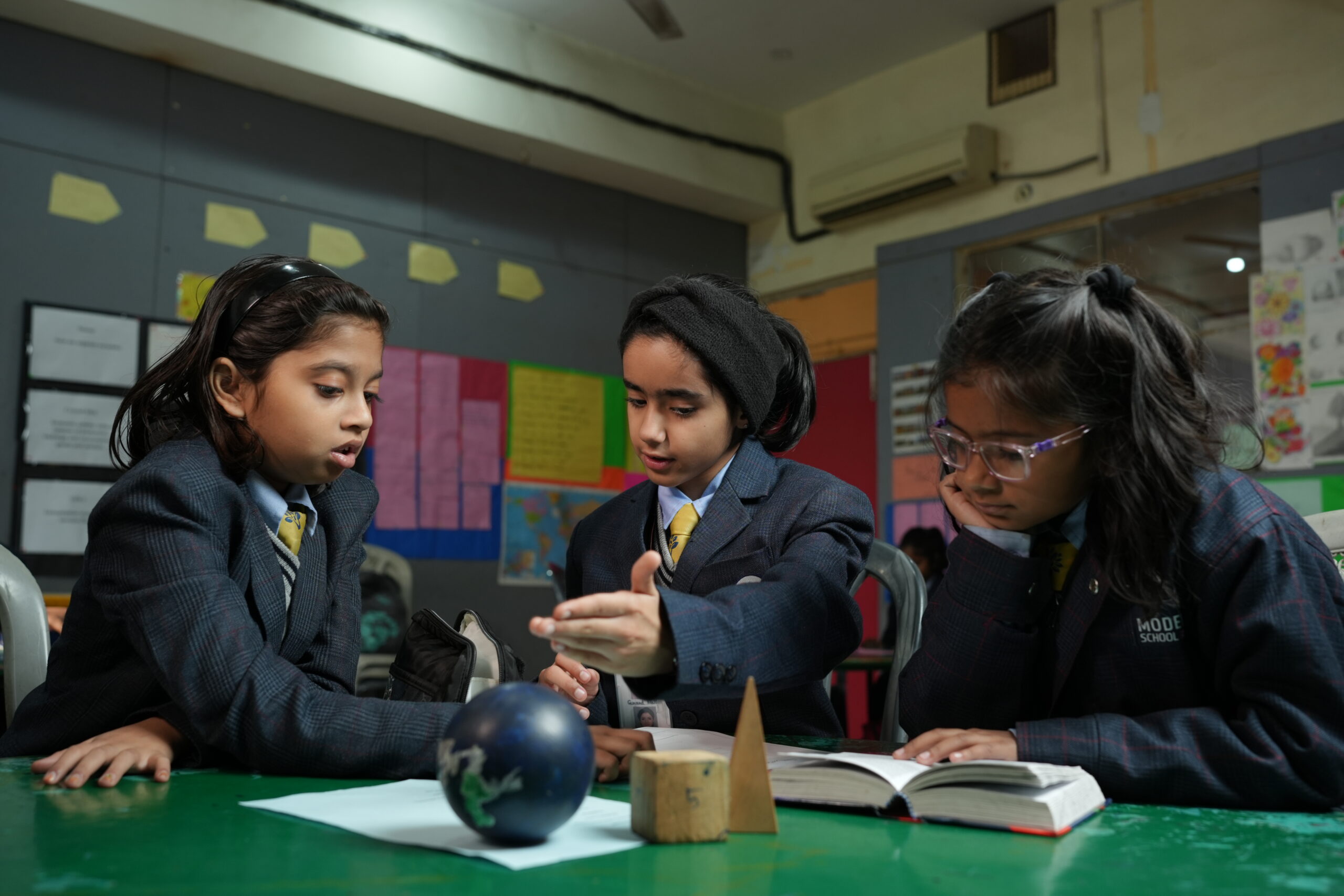
From nursery to Grade 12,
on a single thoughtful arc.
The inquiry of the IB in the early years. The rigour of ICSE and ISC in senior school. One curriculum, designed so each stage prepares a child for the next.
First we teach children to think. Then we teach them to excel.
Most schools pick one: the warmth and inquiry of an international programme, or the rigour and depth of the Indian boards. We refused to choose. A Modern education begins with the IB Primary Years Programme, where children learn to ask, investigate, and reason — then moves into ICSE and ISC, where that thinking is sharpened into real academic strength.
The result is a child who can think for themselves and perform strongly in board examinations. Three stages, one continuous arc.
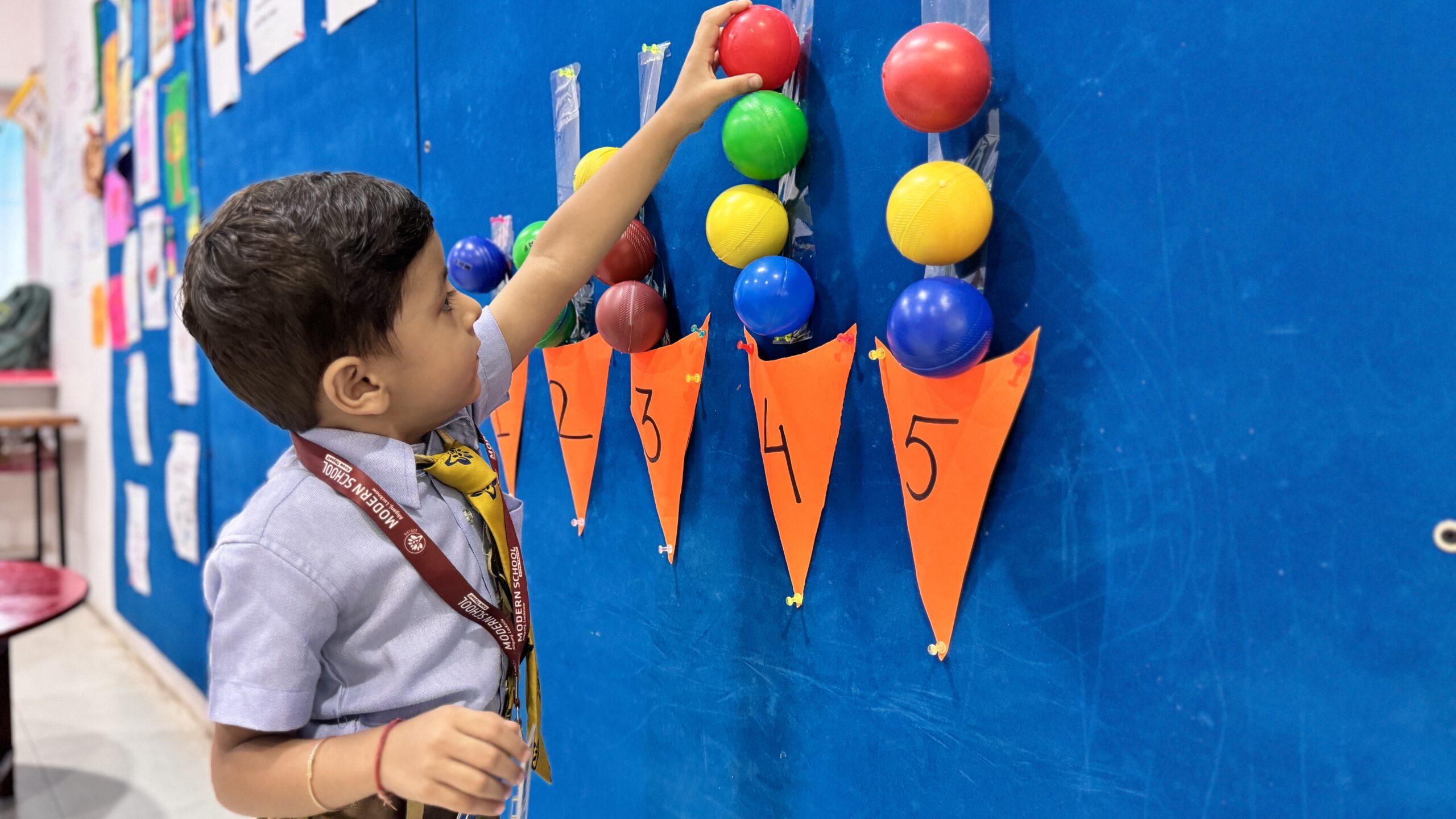
The IB Primary Years Programme
As the first and only IB World School in Lucknow, we begin where curiosity is strongest. The PYP is inquiry-led and transdisciplinary — children learn by asking real questions and investigating them across subjects, rather than memorising in silos.
Student-led conferences, the PYP Exhibition, and hands-on projects build the IB Learner Profile: inquirers, thinkers, communicators, and reflective, principled risk-takers. They leave Grade 5 knowing how to learn.
The bridging years
The move from inquiry to board study is the hardest transition in school. We make it gradual. Grades 6 to 8 keep the curiosity of the PYP while steadily building subject depth, study habits, and academic structure.
By the end of Grade 8, students have the discipline and skills to take on ICSE without losing the joy that brought them this far.
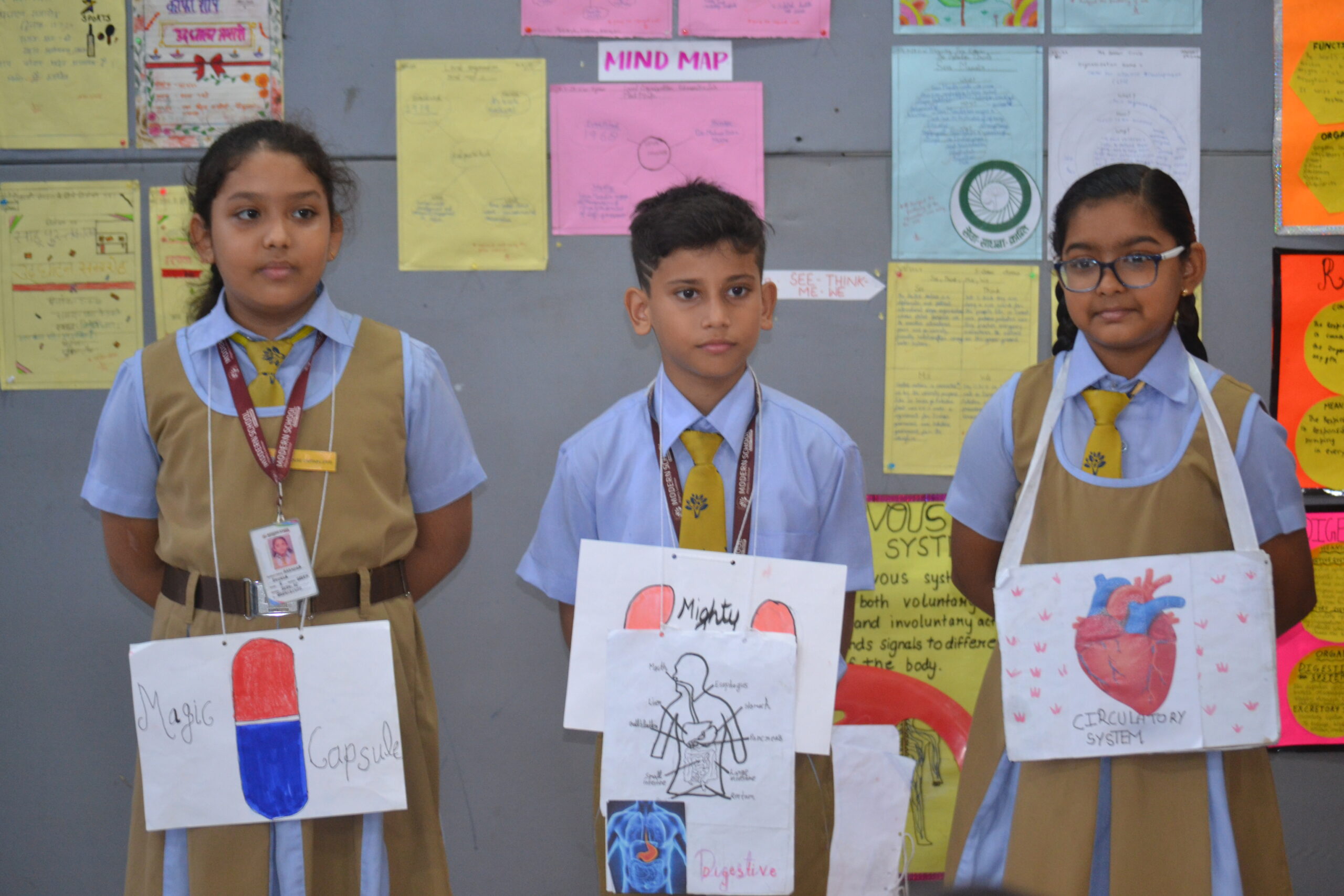

ICSE & ISC
Senior school follows the CISCE board, known across India for its rigour, depth, and strong command of English. ICSE in Grades 9 and 10 builds breadth and analytical strength.
ISC in Grades 11 and 12 offers Science, Commerce, and Humanities streams, preparing students for the best universities in India and abroad. The inquiry habits from the early years are what let them go deeper than rote learning ever could.
The best of both, by design.
The curriculum, explained.
Is the IB Primary Years Programme harder than a regular curriculum?
It isn’t harder — it’s deeper. The PYP asks children to understand ideas and ask good questions, not just memorise. The academic rigour is there; it simply begins with curiosity rather than cramming.
Why switch from IB to ICSE/ISC after Grade 5?
It gives your child the best of both. The early IB years build thinking, confidence and a love of learning; ICSE and ISC then provide the structured academic depth and recognised board examinations that serve students well in India and abroad.
What are the ‘bridging years’ (Grades 6–8)?
A deliberately designed transition that blends IB’s inquiry approach with ICSE’s academic structure and NEP 2020 guidance — so the move from PYP to formal board study feels natural, not abrupt.
Will my child be ready for competitive exams and university?
Yes. ISC is a respected senior-secondary qualification, and the thinking habits built from the early years — analysis, expression, independent work — are exactly what competitive exams and universities reward.
Is Modern actually an IB World School?
Yes — Modern is the first and only IB World School in Lucknow for the Primary Years Programme, authorised since 2013.
Let’s talk about your child.
Every child takes the arc a little differently. Come in and we will walk you through what it looks like for yours.
Book a school tour